Last verified: April 2026
SB 47: An Employer-First Framework
KRS 218B.040 is one of the most employer-friendly medical cannabis statutes in the nation. The law is explicit: medical cannabis patients are not a protected class for employment purposes. Employers face no obligation to accommodate medical cannabis use, and there is no private cause of action for employees terminated or denied employment based on cannabis use or a positive drug test.
In practical terms, this means:
- Employers may maintain zero-tolerance drug policies that include cannabis
- Employers may test for cannabis during pre-employment screening, random testing, post-accident testing, and reasonable-suspicion testing
- A positive test result may be used as grounds for termination, even if the employee holds a valid medical cannabis card
- Employers are not required to accommodate on-site or off-duty cannabis use
- No employee may bring a wrongful termination claim based on medical cannabis use
Nothing in KRS 218B shall be construed to require an employer to permit or accommodate the use of medicinal cannabis in the workplace or to affect the ability of an employer to maintain a drug-free workplace.
KRS 218B.040
The Metabolite Nuance
While SB 47 strongly favors employers, it introduced one significant nuance: metabolites alone do not establish that an individual is "under the influence." This means employers relying solely on a urine test (which detects metabolites, not active THC) face a potential credibility gap if challenged. Best practice now involves a behavioral assessment combined with a secondary confirmatory test, which together can shift the burden of proof back toward the employee.
Unemployment Benefits
Employees terminated for violating an employer's drug policy — including testing positive for cannabis — are generally ineligible for unemployment insurance under KRS 341. Kentucky considers a drug policy violation to be misconduct connected with the work, which disqualifies the claimant from benefits. This applies even if the employee was using medical cannabis off-duty with a valid card.
Major Kentucky Employers
Kentucky's largest employers demonstrate the range of drug testing approaches:
Toyota Georgetown
Toyota's Georgetown plant is the largest Toyota manufacturing facility in North America, employing over 8,000 workers. The plant uses hair follicle testing, which detects cannabis use over a 90-day window — far longer than urine or blood tests. This effectively eliminates any candidate who has used cannabis in the past three months, regardless of medical card status.
UPS Worldport (Louisville)
The Louisville UPS Worldport hub is the largest automated package sorting facility in the world. CDL holders are subject to DOT testing requirements, which mandate cannabis testing under federal law. Non-CDL package handlers have historically faced less stringent testing, though UPS maintains company-wide drug policies.
Amazon
Amazon, with significant Kentucky distribution operations, stopped pre-employment cannabis testing for non-DOT positions in 2021. However, post-accident and reasonable-suspicion testing may still include cannabis. Amazon's approach represents the most permissive stance among major Kentucky employers.
Humana (Louisville)
Humana, headquartered in Louisville, maintains standard employer drug policies. As a healthcare company, Humana's position on cannabis use reflects the broader tension between state medical programs and employer liability concerns in the health sector.
Federal Employment & Military Installations
Kentucky hosts major federal and military installations where cannabis use is prohibited under all circumstances, regardless of state medical law:
- Fort Campbell: Approximately 26,500 military and civilian employees. Federal zero-tolerance applies to all personnel.
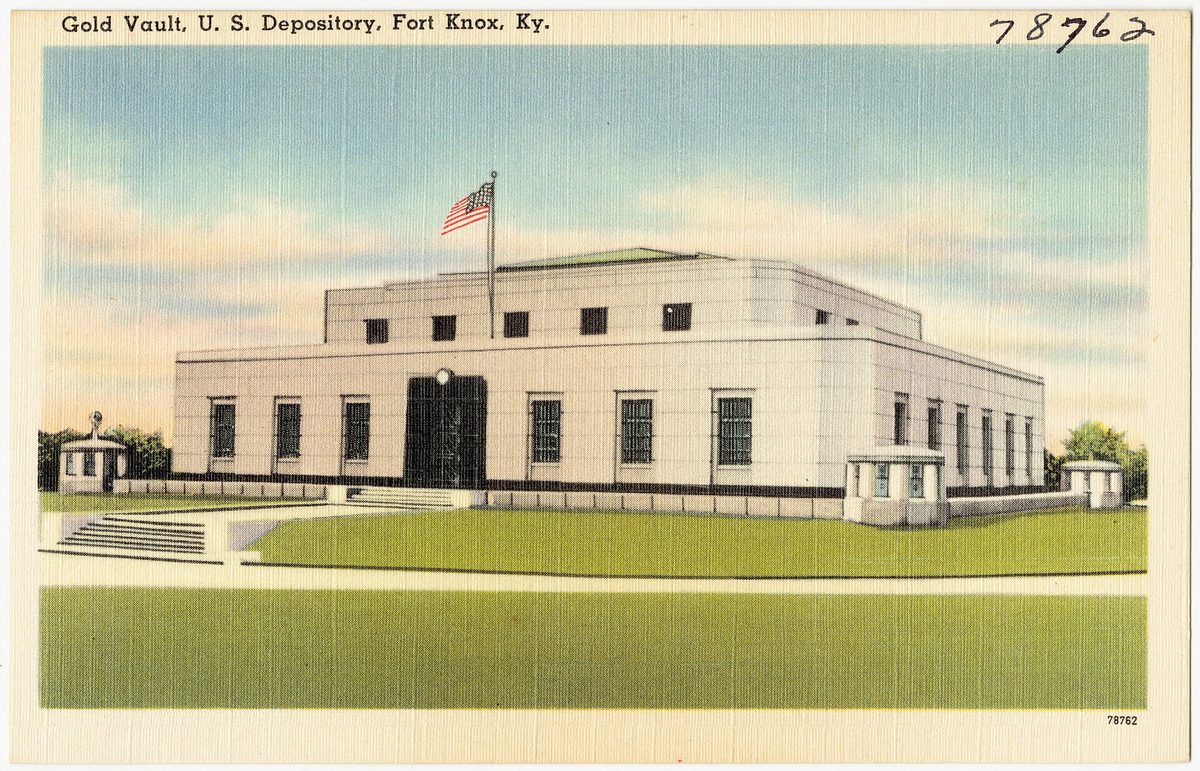
- Fort Knox: Approximately 26,000 employees. Home to the U.S. Bullion Depository and U.S. Army Human Resources Command.
- Blue Grass Army Depot (Richmond): Chemical weapons storage and destruction facility with strict security clearance requirements.
Federal employees, military personnel, and contractors with security clearances cannot use cannabis in any form, even with a Kentucky medical card.
Industry-Specific Considerations
Coal Mining
Kentucky's coal industry is regulated by the federal Mine Safety and Health Administration (MSHA), which mandates drug testing for miners. Cannabis use — medical or otherwise — is prohibited for MSHA-regulated workers.
Drug-Free Workplace Premium Discount
Kentucky employers that maintain a certified drug-free workplace program may qualify for a 5% discount on workers' compensation insurance premiums. This financial incentive encourages employers to maintain strict drug policies, including cannabis testing.
Workers' Compensation Ambiguity
Kentucky law creates an unresolved question for workers' compensation claims involving medical cannabis patients. If an employee is injured on the job and tests positive for cannabis, the employer may argue the injury was caused by impairment. However, the SB 47 metabolite provision could complicate this argument. No Kentucky court has ruled on this specific issue as of April 2026.
Legislative Outlook: HB 403 (2026)
House Bill 403, introduced in the 2026 session, would have created modest employment protections for medical cannabis patients, including prohibiting termination based solely on off-duty use and positive metabolite tests. The bill did not pass, and similar legislation faces long odds in the current General Assembly.
For in-depth cannabis education, dosing guides, safety information, and research summaries, visit our partner site TryCannabis.org
Related on this site: Kentucky Possession Limit & Marij..., Kentucky DUI Cannabis & Driving, Kentucky Cannabis Enforcement.