Last verified: April 2026
The Tobacco Collapse
For most of Kentucky's history, tobacco was not just a crop — it was the economy. In the early 1950s, 136,000 tobacco farms operated across the Commonwealth. Tobacco defined rural Kentucky life: the spring plant beds, the summer topping and suckering, the fall cutting and hanging, the winter stripping. Families organized their entire year around the tobacco calendar.
The decline was relentless. The federal tobacco buyout program of 2004 eliminated quota protections that had stabilized small farms for decades. Global competition, declining cigarette consumption, and consolidation by large operators drove family farms out of the market. By the 2022 USDA Census of Agriculture, Kentucky had just 984 tobacco operations — a decline of more than 99%.
The economic impact was devastating. Tobacco once accounted for 25% of Kentucky's annual agricultural cash receipts in the 1990s. By the 2020s, it represented less than 3%. Entire communities that had built their economies around tobacco auctions, processing facilities, and seasonal labor found themselves without a viable replacement crop.
The Infrastructure Advantage
What tobacco left behind, however, was infrastructure. Hemp and cannabis use almost identical machinery and processing equipment as tobacco:
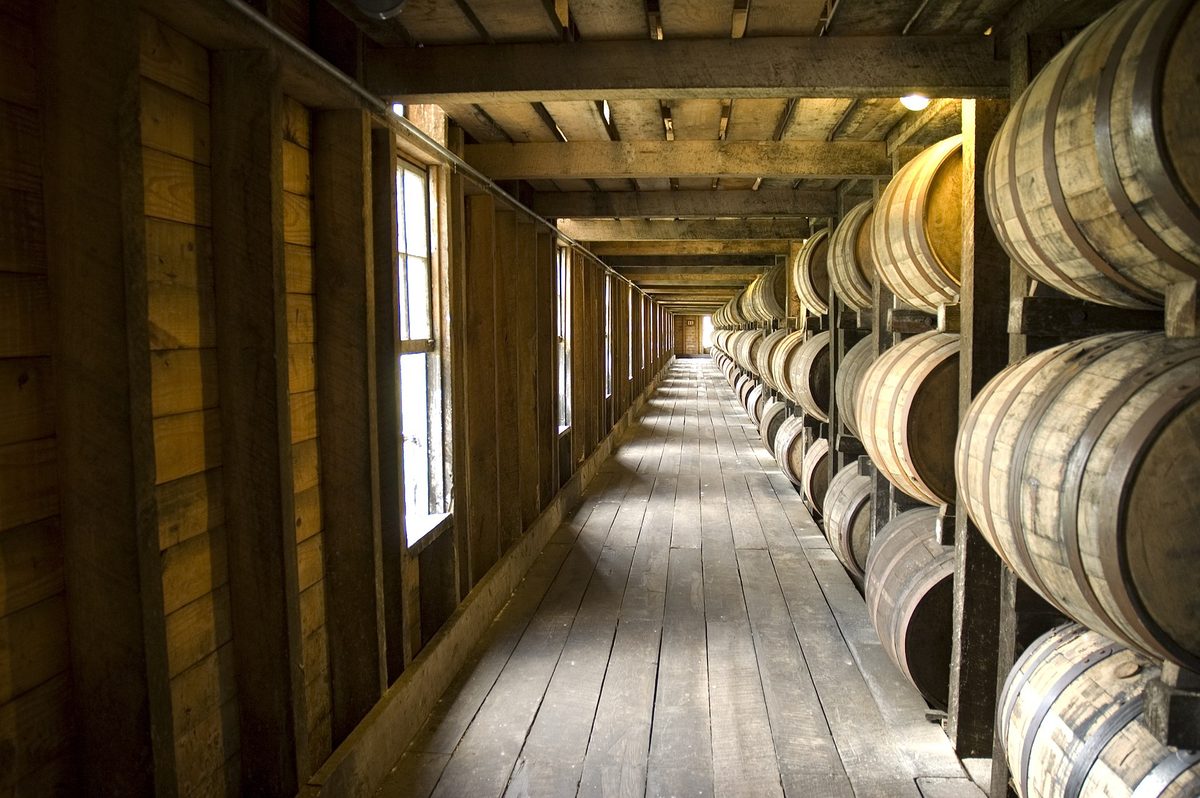
- Curing barns — The same structures used to air-cure burley tobacco can be used to dry and cure hemp and cannabis flower
- Drying facilities — Tobacco-drying equipment translates directly to cannabis post-harvest processing
- Small-plot expertise — Kentucky's tradition of small, intensively managed plots matches the labor-intensive nature of cannabis cultivation
- Transplanting equipment — Tobacco transplanters can be adapted for hemp and cannabis seedlings
- Strip rooms — The same facilities used for tobacco stripping can serve as cannabis trimming operations
Kentucky's 67,700 farms and existing agricultural infrastructure provide a genuine advantage over states that must build their cannabis cultivation industry from scratch — if market conditions stabilize.
Success Stories
Some Kentucky farming families have successfully made the transition. The Workman family of Murray converted 400 acres from tobacco to hemp production, demonstrating that the agricultural skills are transferable and the economics can work at scale. Their operation leverages the same soil knowledge, the same seasonal rhythms, and the same curing expertise that their family had applied to tobacco for generations.
The Workmans are not alone. Across western and central Kentucky, former tobacco farmers have experimented with hemp, CBD production, and now medical cannabis cultivation. The learning curve is real but manageable: growers who spent decades nurturing a temperamental, labor-intensive crop like burley tobacco find cannabis cultivation familiar territory.
The Hemp Cautionary Tale
Before medical cannabis, hemp was supposed to be the crop that saved Kentucky tobacco country. After the 2014 Farm Bill authorized state pilot programs, Kentucky was one of the first states to embrace hemp cultivation. Commissioner of Agriculture Ryan Quarles promoted hemp as a new cash crop for struggling rural communities.
The initial enthusiasm was enormous. Thousands of acres went into hemp production. Processing facilities opened. The phrase "hemp is the new tobacco" became a mantra in agricultural circles. Then the market crashed.
Between 2019 and 2021, the hemp market collapsed. Overproduction, inadequate processing infrastructure, quality control problems, and a flooded CBD market drove prices below the cost of production. Many farmers lost their investments. Even Kentucky's Agriculture Commissioner Jonathan Shell was not immune — he lost money when a hemp company he was involved with went bankrupt.
There was a lot of optimism that it was gonna replace tobacco, and it just never panned out.
Kentucky Agriculture Commissioner Jonathan Shell
The hemp crash offers a critical cautionary tale for medical cannabis. The assumption that a new crop will simply replace tobacco's economic role ignores the complexity of building supply chains, processing capacity, market demand, and regulatory frameworks from scratch.
Medical Cannabis: The Next Chapter
Kentucky's medical cannabis program now adds another potential opportunity for former tobacco farmers. The state has awarded 16 cultivator licenses under the program, though the scale of medical cultivation is far smaller than the tobacco industry it might partially replace.
The constraints are significant. Unlike tobacco, which any farmer could grow, cannabis cultivation requires a state license, substantial capital investment, security infrastructure, and compliance with detailed regulatory requirements. The democratized, small-farm model that characterized Kentucky tobacco does not translate directly to a heavily regulated medical cannabis market.
Still, the fundamental agricultural advantages remain. Kentucky's climate, soil quality, farming expertise, and existing infrastructure give the Commonwealth a genuine edge in cannabis cultivation. The question is whether the regulatory and market structures will allow that advantage to benefit the rural communities that need it most — or whether the transition from tobacco to cannabis will primarily enrich well-capitalized operators from outside the state.
The Broader Picture
Kentucky's tobacco-to-cannabis transition mirrors a larger American story about agricultural disruption and adaptation. The Commonwealth's farmers have the skills, the land, and the infrastructure. What they need — and what the hemp crash demonstrated they cannot take for granted — is stable market demand, adequate processing capacity, and a regulatory environment that allows small operators to compete.
North Carolina's hemp transition followed a strikingly similar tobacco-pivot arc. The Reynolds and Duke heritage state peaked at 1,500 hemp growers and 13,167 acres in 2019, briefly leading the nation, before its CBD market crashed for the same reasons Kentucky's did. Today NC remains the only fully prohibitionist state with a sovereign tribal cannabis retailer inside its borders — and a $3.2–$4 billion unregulated hemp market filling the void left by both tobacco's collapse and the General Assembly's refusal to enact medical cannabis. See CannabisNC.org’s tobacco-to-hemp heritage page for the parallel story.
The 136,000 tobacco farms of the 1950s are gone and will not return. Whether hemp and cannabis can fill even a fraction of that economic void depends on decisions being made now — in Frankfort, in licensing boards, and on the farms where Kentucky families are deciding what to plant next.
For in-depth cannabis education, dosing guides, safety information, and research summaries, visit our partner site TryCannabis.org
Related on this site: Appalachian Eradication, The Cornbread Mafia, The Opioid Connection.