
Last verified: April 2026
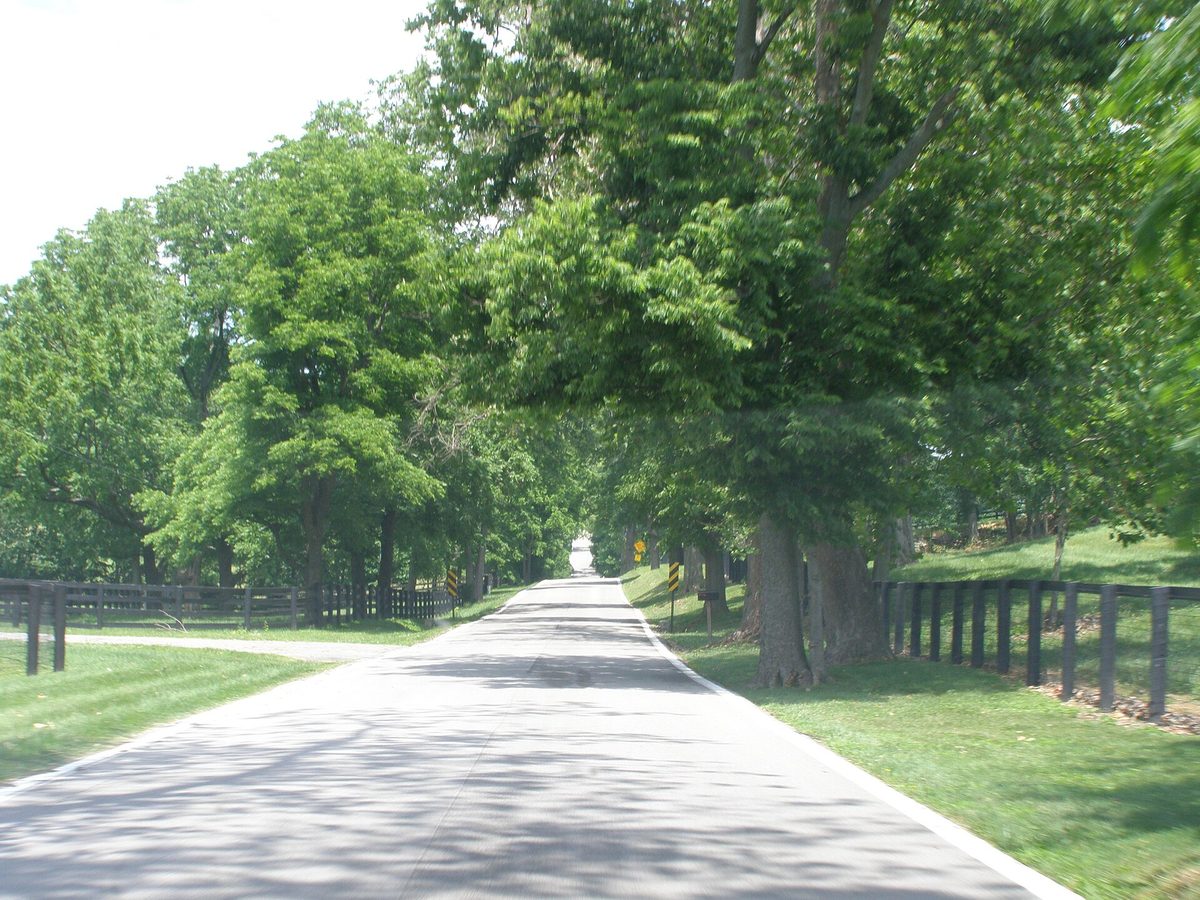
Daniel Boone National Forest
The Daniel Boone National Forest stretches across more than 708,000 acres in 21 eastern Kentucky counties. Its dense hardwood canopy, remote hollows, and limited road access made it ideal for clandestine marijuana cultivation. Throughout the 1990s and into the 2000s, the forest consistently led all national forests in marijuana eradication.
The peak came in 2003, when authorities seized 213,229 marijuana plants from Daniel Boone National Forest alone — the highest total for any national forest in the country. Growers exploited logging and mining clearings to establish plots deep in the backcountry, sometimes hiking hours from the nearest road to tend their crops.
The Kentucky Marijuana Strike Force
In 1990, Kentucky established the Kentucky Marijuana Strike Force, a joint operation combining the DEA, Kentucky State Police (KSP), and the Kentucky National Guard. The Strike Force became one of the most aggressive marijuana eradication programs in the nation.
Operations involved Blackhawk helicopters conducting aerial surveillance over remote mountain terrain, rappel teams deploying into areas inaccessible by vehicle, and ground units hiking into cultivation sites that could take hours to reach. The military-style approach reflected the scale of the problem: Kentucky's marijuana cultivation was not small-time gardening. It was an industry.
The results were staggering. In 2018, the DEA seized 418,076 marijuana plants in Kentucky — the highest per capita seizure rate in the nation at 9,356 plants per 100,000 residents. That rate was double California's, despite California having a vastly larger population and legal market. Annual marijuana seizures in Kentucky were estimated at approximately $1 billion in value.
The Economics of Desperation
Understanding Appalachian marijuana cultivation requires understanding Appalachian economics. In the counties where cultivation was most prevalent, the average individual income was approximately $12,000 per year. A single mature marijuana plant could be worth up to $2,000. A small plot of 50 plants could generate more income than a year of legitimate work.
The math was simple and devastating. When coal mines closed and logging operations moved on, marijuana cultivation offered one of the few viable economic alternatives. Growers knew the terrain intimately — the same ridgelines and hollows their families had worked for generations — and they exploited the very remoteness that had always defined Appalachian life.
Kentucky’s marijuana cultivation followed the same pattern as its moonshine tradition: the same terrain, the same isolation, the same economic desperation, and the same distrust of federal authority. Many families that ran stills in the early 20th century had descendants growing cannabis in the late 20th century.
Cartel Presence
Kentucky's marijuana landscape was not exclusively homegrown. The DEA confirmed the presence of Mexican drug cartels operating cultivation sites in the state, particularly the Sinaloa Cartel and CJNG (Cartel Jalisco New Generation). Federal agencies documented cartel-linked operations in the Lexington area, where organizations used migrant laborers to tend remote grow sites on public and private land.
The cartel presence added a layer of violence and sophistication to what had traditionally been a local enterprise. Booby traps, armed guards, and retaliatory threats became more common at cultivation sites in the 2010s, distinguishing cartel operations from the Cornbread Mafia-era farming networks.
The Trafficking Corridors
Kentucky's geography made it a natural crossroads for marijuana trafficking. Two major interstate corridors facilitated distribution:
- I-75 corridor — Running from Michigan and Ohio through Lexington and south to Tennessee and Florida. This route connected Kentucky growers to major consumer markets in the Midwest and Southeast.
- I-65 corridor — Running from Indiana through Louisville and Bowling Green south to Tennessee. This route served as a primary distribution channel for western Kentucky production.
Kentucky's Appalachia High Intensity Drug Trafficking Area (HIDTA) designation reflected the federal government's recognition that the state was not merely a production zone but a critical node in the national marijuana distribution network.
The Scale of Enforcement
The resources devoted to marijuana eradication in Kentucky were enormous. National Guard helicopter hours, DEA agent deployments, KSP overtime, forensic processing of seized plants, prosecution of growers, and incarceration of convicted cultivators consumed hundreds of millions of dollars over three decades.
Critics argued that the eradication campaigns never actually reduced marijuana availability. For every plot destroyed, another appeared in a different hollow. The economic incentives were too powerful, the terrain too vast, and the demand too persistent. Each growing season brought new plants and new arrests, but the fundamental dynamics never changed.
From Eradication to Legalization
The irony of Kentucky's eradication history is now inescapable. The state that led the nation in marijuana plant seizures is now licensing cultivators for its medical cannabis program. The same agricultural expertise that made Kentucky growers legendary — their knowledge of soil, climate, curing, and small-plot management — is precisely what the legal industry needs.
As of 2026, Kentucky has awarded 16 cultivator licenses under its medical cannabis program. Whether those licenses will go to the communities that bore the brunt of both marijuana cultivation and marijuana enforcement remains an open question. The mountains have not changed, but the law finally has.
For in-depth cannabis education, dosing guides, safety information, and research summaries, visit our partner site TryCannabis.org
Related on this site: The Cornbread Mafia, The Opioid Connection, Tobacco to Cannabis.